

Get Alarmed: Top 50 Home Safety Tips That Actually Work
“An ounce of prevention is worth a pound of cure,” according to Benjamin Franklin. Every year, hundreds of thousands of U.S. homes are still broken into, most during the day when families are at work or school. The good news is that burglars are opportunists. Research shows they actively avoid homes with alarms.
At Security Consultant Pros, we design and monitor systems that make your home the one they skip. Use the current data and practical tips below to harden every weak point, then back it all up with professional monitoring. These tips are especially useful for homeowners in Austin, Lago Vista, Cedar Park, and the surrounding areas.
The Risk Is Real: Current Burglary Facts
According to the latest FBI Crime in the U.S. data, there were about 779,542 burglaries nationwide in 2024, or 229.2 incidents per 100,000 residents.
About 52% of all burglaries in 2024 targeted residences (roughly 405,776 incidents). Contrary to popular belief, daytime break-ins outnumber nighttime ones. Criminals prefer unoccupied houses during typical work and school hours, often between 10 a.m. and 3 p.m.
Hundreds of thousands of families are victimized each year, with dollar losses per burglary running in the thousands of dollars, not counting irreplaceable heirlooms and the uneasy feeling in your own home. Locks and habits help. A monitored alarm is what turns an easy target into a house most burglars will not touch.
Most perpetrators are young males seeking cash or small, easily fenced items such as jewelry, guns, watches, laptops, gaming systems, smartphones, tablets, and other portable electronics.
Burglars choose homes with easy access, good cover, and clear escape routes. They often bypass targets that take too much effort, skill, or risk of getting caught. Some disguise themselves as landscapers, delivery drivers, or service workers.
Most entries happen through front, back, or garage doors, and frequently through unlocked doors or windows. Experienced burglars view the garage door as one of the weakest points, followed by the back door, both of which offer cover from the street.
Burglars will check cars for keys, garage remotes, and valuables. Keep vehicles locked even inside the garage. Frost or obscure garage windows so it is harder to tell whether a car is gone.
Older phone-line-only systems can be cut. That is why we recommend and install modern wireless systems with cellular and dual-path backup that still reach the monitoring center if the internet or power fails. Arming the system every time you leave and at night is non-negotiable. An unarmed alarm protects no one.
Why Burglars Skip Homes With Alarms
- According to a University of North Carolina at Charlotte study of convicted burglars, about 83% try to find out whether a home has an alarm before they attempt a break-in.
- About 60% said they would choose a different target if they detected an alarm on-site. Your system often stops the crime before it starts.
- If burglars discovered an alarm during an attempt, more than half said they always abandoned the job. Only about 13% said they would always keep going.
- Visible signs of protection matter. Yard signs, window decals, cameras, and doorbell video all signal that this house is harder work and higher risk.
- Homes without security systems are far more attractive targets. Burglars want speed and silence. Monitored alarms deliver neither for them.
- Many insurers offer premium discounts for monitored security systems, often in the mid-single digits up to around 15–20%, depending on the carrier and equipment.
- DIY cameras alone are not the same as a monitored alarm and professional camera systems. Cameras may record a crime, but professional monitoring verifies the event so police are on the way when seconds matter.
The tips that follow make your home harder to hit. Pair them with a professionally designed, cellular-backed system from Security Consultant Pros and you give burglars every reason to move on.
Secure the Inside and Outside of Your Home
- Close and lock all doors, windows, garage doors, and gates, even if you are only stepping out briefly.
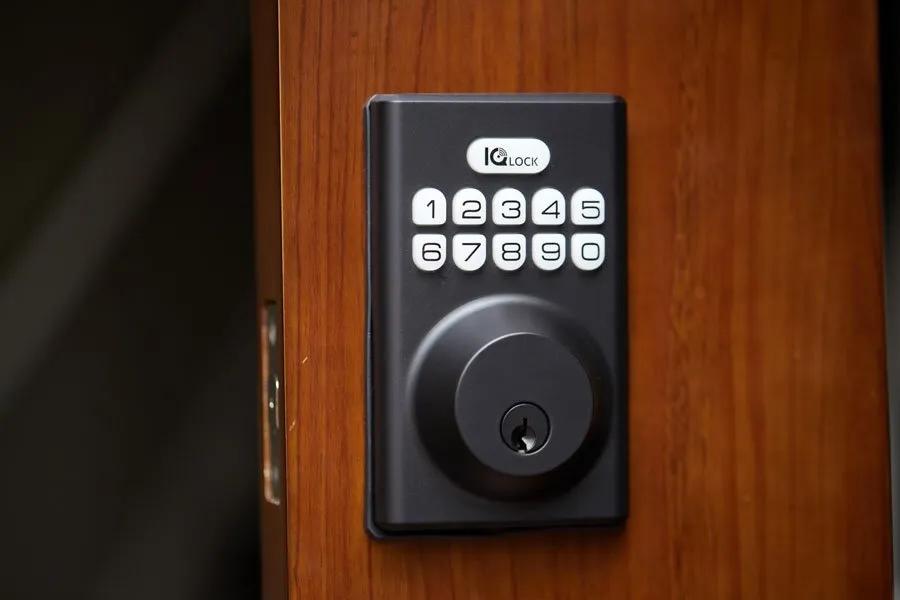
- Change locks and tumblers when you buy a home or lose keys. Equip every exterior door with a quality deadbolt that resists twisting, prying, and picking. Consider smart locks with unique codes you can revoke for guests and service workers.
- Use solid-core doors and reinforced frames at all entry points. Add blocking bars and anti-lift devices on sliding doors and windows.
- Never hide spare keys under doormats, flowerpots, or obvious outdoor spots. Use a lockbox or leave a key with a trusted neighbor, or better yet, go with a keyless lock you can operate through your phone.
- Do not leave notes for delivery drivers on your door. They advertise that no one is home.
- Keep shrubs and hedges trimmed so they cannot hide an intruder near windows or doors. Improve natural surveillance from the street and neighboring homes.
- Secure your exterior electrical panel or meter so power cannot be easily cut to disable lights or systems.
- Use timers or smart plugs to turn lights, TVs, and radios on and off on a varied schedule when you are away so the home looks occupied.
- Avoid large pet doors that can admit a small intruder or be used to reach locks from outside.
- Display alarm company decals and yard signs. Visible security branding is a proven deterrent. If we install your system, we provide professional signage so burglars see the risk before they touch a door.
- Keep windows locked, including upper floors and those left cracked at night. Install and use secondary window locks or security film where glass is vulnerable.
- Burglars dislike breaking glass because the noise draws attention. Pair that with glass-break sensors that detect shatter frequency and vibration and immediately signal your monitoring center for response.
- Light the front, rear, and sides of your home well. Motion-activated exterior lights make it harder for someone to approach unseen.
- Interior and exterior motion sensors can trigger lights or alarms. Quality sensors reduce false alarms from pets when properly placed and configured.
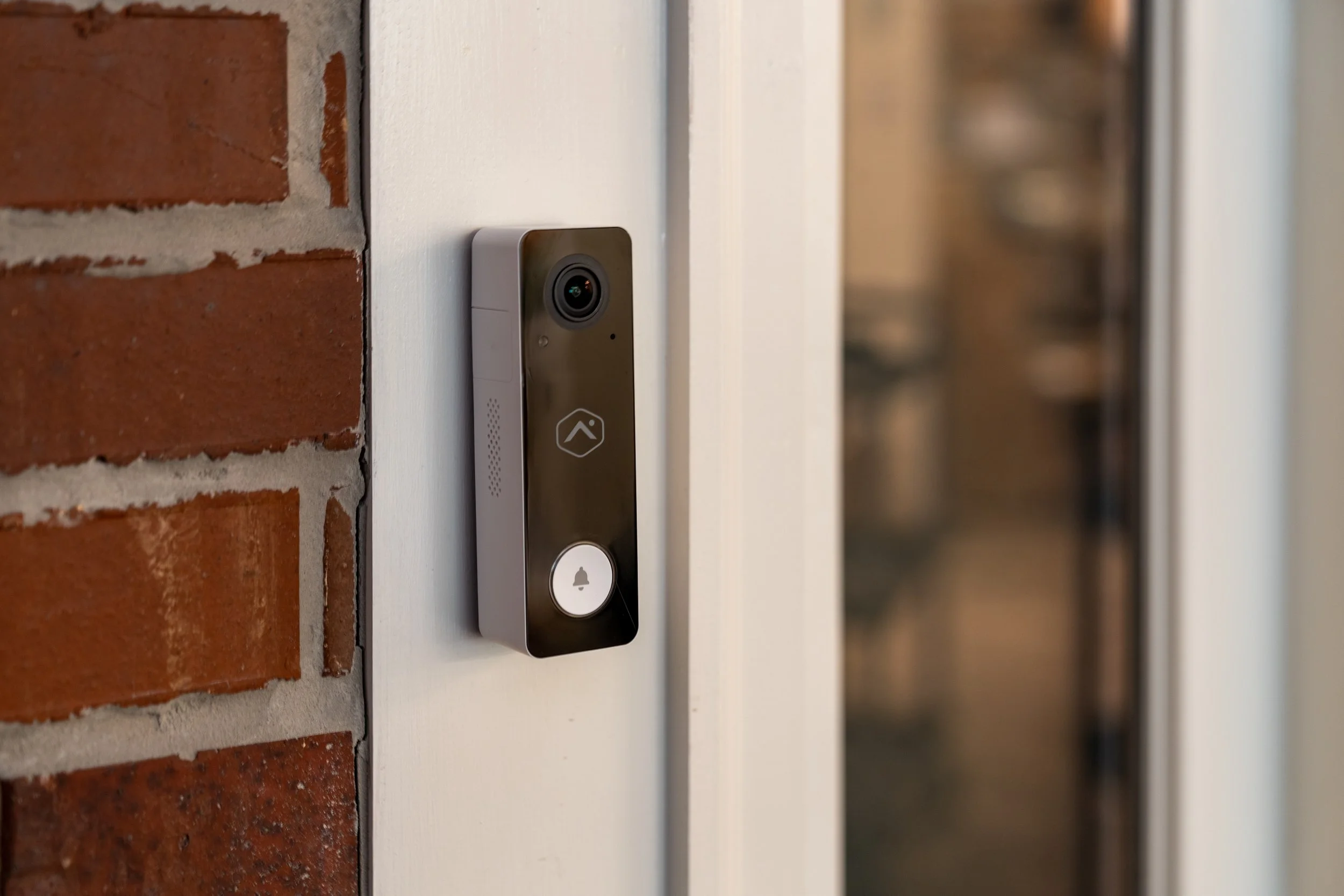
- Video cameras and video doorbells are strong deterrents. Recorded footage is powerful evidence and helps you screen visitors before opening the door. Place cameras to cover entries, driveways, and package drop zones. Enable cloud backup and tamper alerts. Pair video with a monitored alarm so an intrusion does more than create a recording. It creates a response.
Neighbors, Visitors, and Daily Habits
- Get to know your neighbors and join or start a neighborhood watch mindset. Watchful eyes are free and effective.
- Vet vendors and service providers before granting access. Confirm appointments, check IDs, and never leave strangers unsupervised inside.
- Do not let someone who asks to use your phone come inside. Offer to place the call for them from a safe position, or direct them to call from their own device outside.
- Before buying a home, ask local law enforcement or use public crime-mapping tools for neighborhood crime history. Drive the area at different times of day and note lighting, upkeep, graffiti, and overall condition.
- Hold family safety meetings. Agree on who answers the door, how kids handle unexpected visitors, and what to do if something feels wrong.
- Never imply you are home alone when strangers call or knock. Teach children the same rule.
- Vary routines such as departure times, routes, and lighting schedules so patterns are harder to predict.
- Use a peephole, video doorbell, or sidelight before opening the door. Ask for identification if you do not recognize the person. Do not open the door to unknown callers.
- If you are followed home or see someone lurking near your entrance, do not exit your vehicle into that situation. Drive to a public place and call police.
- Report suspicious people, vehicles, or activity promptly. Trust your instincts.
- Complacency is the biggest obstacle to personal safety. Stay alert, avoid unnecessary risk, and act on gut feelings.
When You Are Away
- Ask police or sheriff’s offices about vacation watch or extra patrols while you travel. Many agencies offer this on request.
- Turn down phone ringers or silence landlines so unanswered ringing does not advertise an empty house.
- Have a trusted neighbor or friend collect mail, packages, and newspapers, and if possible park a car in the driveway occasionally.
- Do not announce travel plans, new purchases, or valuables in public or on social media. Avoid live location posts and vacation albums until you are home. Your address is easier to find than most people realize.
- Pause or hold deliveries, or use package lockers and delivery instructions that keep boxes out of plain sight. Package theft often signals an unoccupied home.
- Barking dogs and attentive neighbors both draw unwanted attention to would-be intruders. Cultivate both when you can.
Valuables, Documentation, and Emergencies
- Store cash, jewelry, important documents, and irreplaceable items in a bolted home safe or a bank safe-deposit box. Keep valuables out of sight from windows. Burglars often scout open blinds for targets and signs you are away.
- Have a clear exit plan for every household member, including children, and practice it.
- Change alarm codes when roommates, contractors, or others who had access no longer need them.
- Engrave or permanently mark electronics and tools with your driver’s license number (not your Social Security number) so recovered property can be returned to you.
- Photograph valuables with make, model, and serial numbers for insurance claims. Store copies off-site or in the cloud and share a backup inventory with a trusted person.
- Mark your house number clearly on the curb and near the entrance so responders can find you quickly if an alarm is triggered.
- Add secondary keypads, mobile app arming, and portable panic or medical buttons. These can save critical time during a break-in or health emergency.
- If you arrive home and find a door or window open, or signs of forced entry, do not go inside. Leave immediately and call the police from a safe location.
Professional Monitoring: The Layer That Ties It All Together
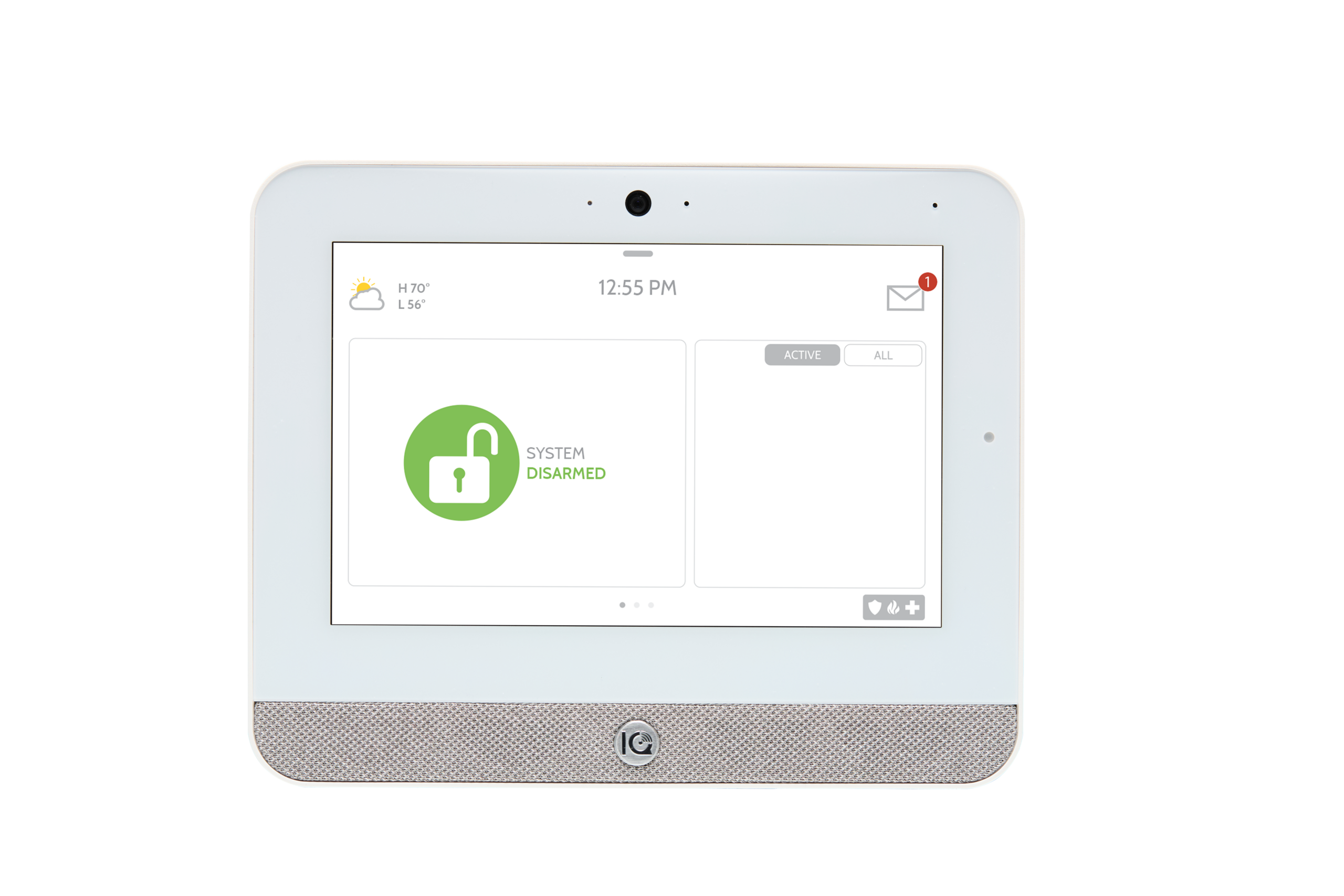
- Choose a professionally monitored system with cellular or dual-path (cellular + broadband) backup so it still works if internet or power fails. Security Consultant Pros designs systems around how burglars actually behave, not just a box of gadgets.
- Layer defenses: reinforced locks + exterior lighting + cameras/video doorbell + alarm sensors + 24/7 professional monitoring. No single gadget replaces a layered approach, and monitoring is the layer that calls for help when you cannot.
- Enable two-factor authentication on security apps, cameras, and smart locks. Use unique strong passwords and keep firmware updated to reduce hacking risk.
- Integrate smart home devices carefully. Smart locks, sensors, and cameras should report to a secure hub or reputable monitoring service, not sit on an open network.
- Consider window sensors, contact sensors on every exterior door (including garage man-doors), glass-break detectors in high-risk rooms, and water/smoke sensors for broader home protection.
- Review camera and doorbell footage habits. Check alerts promptly, restrict who can view live feeds, and secure your Wi-Fi with a strong password and separate IoT network if possible.
- Ask your insurer whether monitored alarms, deadbolts, or cameras qualify for premium discounts. Many carriers reward professionally monitored systems. We can help document your equipment so you can request the savings.
- Protect garage-to-house doors as rigorously as front doors. Many break-ins start in the garage. Keep the overhead door closed and locked, and use a quality deadbolt on the interior access door.
- Disable vacation mode patterns that are too predictable. Randomize smart lighting and avoid posting empty-home cues such as piled packages or open garage doors for long stretches.
- Test your alarm, cameras, and panic buttons regularly, and confirm monitoring-center contact info and emergency contacts are current after moves or phone-number changes.
Locks, lights, and good habits matter, but the data is clear: most burglars look for an alarm, and most will walk away when they find one. Do not leave your family counting on luck.
Life is valuable. Protect it. Make your home a hard target. You really should be alarmed!
